
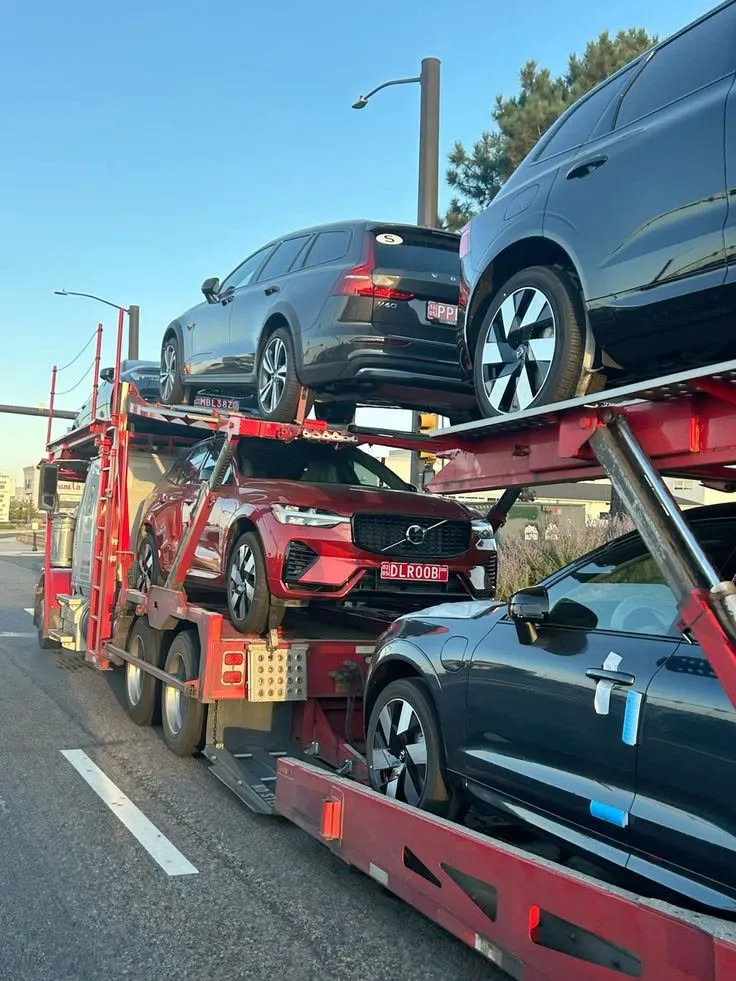
When arranging vehicle shipping, one of the first decisions is whether to use open or enclosed car transport. Both options can move vehicles between locations, but they offer different levels of protection, availability, and cost.
Understanding the differences helps you choose a service that suits your vehicle and budget.
What Is Open Car Transport?
Open car transport uses a trailer without solid walls or a roof covering the vehicles. It is a common option for shipping standard cars, SUVs, and many light trucks.
Because open carriers can transport several vehicles on the same trip, this option may be more economical than enclosed shipping. Open transport is frequently used for dealership deliveries, relocations, online vehicle purchases, and everyday personal vehicles.
The main consideration is exposure. A vehicle traveling on an open trailer may encounter rain, dust, road spray, and ordinary outdoor conditions. This does not mean damage will occur, but the vehicle is not shielded from the elements in the same way as an enclosed shipment.
What Is Enclosed Car Transport?
Enclosed car transport carries vehicles inside a covered trailer. The enclosure helps protect the vehicle from weather, road debris, and public exposure during transit.
This option may be worth considering for classic automobiles, collectible vehicles, luxury models, exotic cars, restored vehicles, and other cars where additional protection is a priority.
Enclosed transport generally costs more than open transport. Availability can also be more limited depending on the route, carrier type, and requested dates. For that reason, customers with specialized vehicles may benefit from planning ahead.
Compare Cost and Protection
The most obvious difference is the level of exposure during transportation. Open transport leaves the vehicle exposed to outdoor conditions, while enclosed transport provides a covered environment.
Price is another important factor. Open shipping is often the budget-conscious choice, while enclosed shipping typically carries a premium. Actual pricing depends on the vehicle, route, distance, season, carrier availability, and other shipment details.
Neither method eliminates every possible risk. Before booking, ask about cargo insurance, carrier qualifications, inspection procedures, and any limitations that may apply to your particular vehicle.
Which Option Is Best for Your Vehicle?
Open transport may be appropriate if you are shipping a standard daily driver and want a practical balance between price and availability. It can also work well when your primary goal is moving a vehicle between cities or states without driving it yourself.
Enclosed transport may be more suitable if you own a valuable collectible, a recently restored classic, or a specialty vehicle that you prefer to keep covered during transit.
Consider the vehicle’s value, condition, sensitivity to outdoor exposure, and your budget. If you are uncertain, request quotes for both options and compare what each service includes.
How to Prepare for Either Service
Regardless of the transport method, preparation matters. Remove personal belongings, photograph the vehicle, document existing damage, and check for fluid leaks or mechanical issues. Make sure the vehicle’s condition and operating status are accurately described when requesting a quote.
At pickup, review the inspection report with the carrier. At delivery, compare the vehicle’s condition with the original documentation and raise any concerns promptly.
Make an Informed Shipping Decision
The right shipping option depends on your priorities, not just the lowest quoted price. Comparing service details, timing, coverage, and communication can help you select a suitable arrangement.
CityLine Shipping Experts offers information on both open and enclosed car transport, along with door-to-door and state-to-state shipping options. To discuss your vehicle and route, call (786) 891-5129 or email info@citylineshippingexperts.us.
A well-informed choice can help you plan your vehicle shipment with greater confidence.